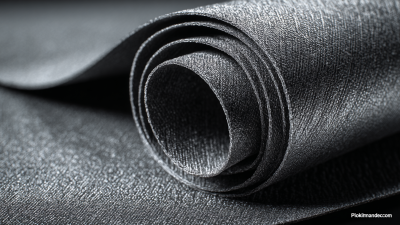
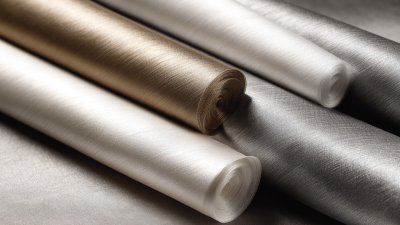
In today’s fast-changing Textile scene, figuring out how to make the most of Mixed Anti-Static Fibers is pretty much a key challenge for buyers around the world who are on the lookout for reliable and innovative solutions.  Here at SHIJIAZHUANG 3L TECHNOLOGY CO., LTD., we’ve been pushing the boundaries of advanced tech textiles since 2009. Our specialty is turning high-performance materials into really cool, cutting-edge products for all kinds of industries. Even though we’re known for being innovative and professional, we know that working with Mixed Anti-Static Fibers isn’t always smooth sailing. It can be tricky for buyers to pick the right fiber blend, understand what each component does, or make sure everything meets the rules in different markets.
So, in this tutorial, we’re going to break down these challenges, share some insights, and give you practical tips to help you better understand this complex fiber combo. Our goal is to give you the info you need so you can make smarter choices and have success in your projects.
Challenges in Sourcing Mixed Anti-Static Fiber Solutions Globally
Looking to source mixed anti-static fiber solutions from around the world? Yeah, it's kind of a tricky business. The huge variety of materials out there, plus the different standards and regulations from country to country, really complicate things. On the bright side, natural fiber composites made from renewable stuff like jute and hemp are a pretty cool, eco-friendly alternative to those traditional materials we usually see. But, of course, mixing these fibers into anti-static solutions isn't straightforward—it needs some careful thought to match their properties and make sure they work well together.
One of the biggest headaches? Making sure the quality stays consistent across all the fiber components. Natural fibers can be a bit unpredictable; their qualities vary, which can mess with performance, especially when you really need those anti-static features to be spot on. To avoid this, it’s a good idea for buyers to build solid relationships with suppliers who can keep the quality steady and have know-how in treating fibers so they help with static dissipation.
A couple of tips if you're trying to get this right: do your homework on potential suppliers—look into their track record and past projects. It's also smart to ask for samples before placing a big order. That way, you can test them out in real-world scenarios. And don’t forget—keep an eye on the latest regulations and certifications related to eco-friendly materials. You want to make sure your final solution checks all the environmental boxes without any surprises down the line.
Understanding Different Types of Anti-Static Fibers and Their Applications
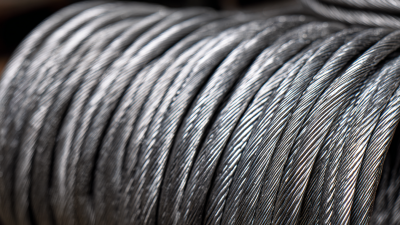
Anti-static fibers are pretty important across a bunch of industries because they help prevent static buildup, which can be a real safety headache or mess with operations. If you're a global buyer, it’s key to get what’s out there — knowing the different types of anti-static fibers can make all the difference when making a smart choice. For example, conductive fibers often use materials like carbon or metal to really zap away static charges. You’ll usually see these in places like cleanrooms, electronics factories, or medical settings where static can actually pose a risk to people or delicate equipment.
Then there are dissipative fibers— these are designed to cut down static without actually conducting electricity. They’re a safer bet in situations where full conductivity isn’t needed, like with general consumer Fabrics, car interiors, or industrial workwear. Picking betweenconductive and dissipative fibers really depends on what you need them for, so it’s a good idea for buyers to carefully consider their specific requirements. And with more mixed anti-static solutions popping up, understanding the ins and outs of each type is even more important to pick the right product for whatever market you're targeting.
Factors Affecting Performance of Mixed Anti-Static Fiber Solutions
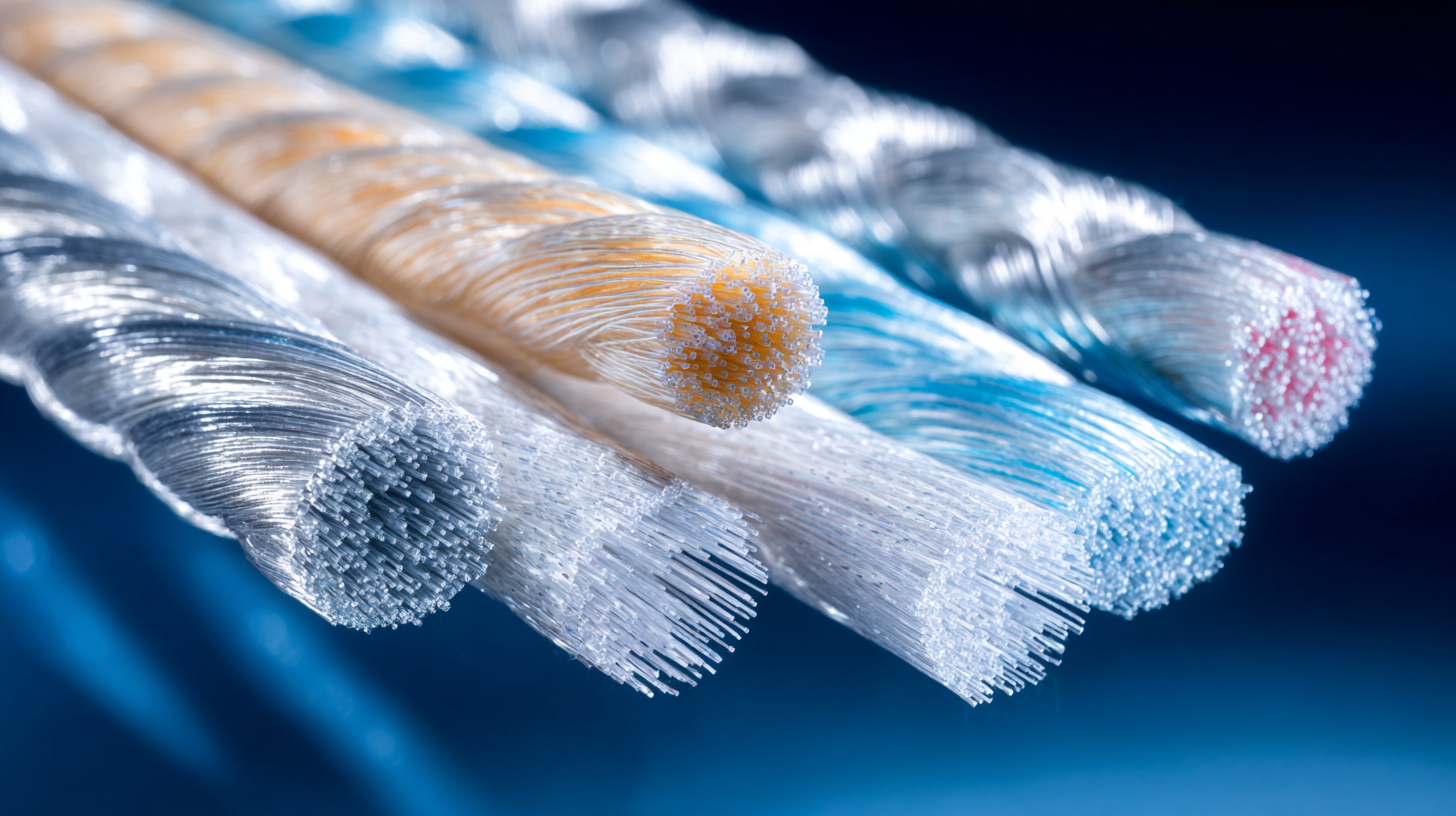 Alright, so when it comes to mixed anti-static fiber solutions, there's actually a bunch of key factors that can make or break their performance. And honestly, it really depends on what kind of materials you're using and how well they play together. I recently came across a report from Smithers Pira—kind of a big name in industry insights—and it said that the global market for anti-static textiles is expected to hit around $3.8 billion by 2025. That just shows how much everyone’s craving effective solutions, especially in tech-heavy areas like electronics and manufacturing. One thing that’s super important is the quality of the fiber mix itself. For example, blends of polyamide and polyester are pretty popular because they do a better job controlling static discharge—pretty crucial when you're working with sensitive electronic parts.
But it’s not just about what the fibers are made of. Environmental stuff matters too—things like humidity and temperature can really influence how well these fibers work. According to ASTM (that’s the American Society for Testing and Materials), low humidity can cause more static buildup, which kind of defeats the purpose of anti-static properties. And let’s not forget, how the fibers are processed during manufacturing makes a difference too. The way anti-static agents are dispersed within the fibers impacts their longevity and how well they resist static over time.
So, if you're on the hunt for reliable mixed anti-static fibers, understanding all these little—sometimes overlooked—details is key. It’s all about ensuring your products stay effective, meet industry standards, and, honestly, just work as they're supposed to in real-world conditions.
Evaluating Quality Standards for Anti-Static Fibers in Global Markets
Hey, have you noticed how much the market for anti-static fibers is booming lately? It's pretty much driven by how much industries need better static control solutions these days. I came across a report from Research and Markets that said this market’s growth rate is about 6.5% annually from 2021 to 2026—that's quite impressive! It really highlights how important it is for manufacturers to stick to strict quality standards, especially if they want their products to actually do the job in environments where static electricity can cause issues. This is especially true for sectors like electronics, textiles, and cars, where static can be a real headache.
When it comes to judging the quality of these anti-static fibers, you’re looking at pretty important things—like their electrical properties and how tough they are. For example, fibers with a resistivity somewhere between 106 and 109 ohms per square are generally seen as ideal for protecting against electrostatic discharge, or ESD. But here’s the tricky part: different regions have their own standards, and that can cause some inconsistency in how good or reliable these fibers actually are. The ISO 22674:2006 standard, for instance, offers some solid guidelines for testing these materials, acting like a safety blueprint that manufacturers around the world aim to follow. Sticking to these rules isn’t just about protecting sensitive gear — it’s also key to keeping consumers confident and competitive in this busy market.
Best Practices for Selecting Suppliers of Anti-Static Fiber Solutions
When you're choosing suppliers for anti-static fiber solutions, it’s honestly a bit of a jungle out there. With so many options and challenges, it can get overwhelming. The most important thing is making sure these fibers actually do their job—preventing static build-up—especially in industries where static shocks could mess up equipment or cause damage. It really helps to understand what your specific needs are—like the environmental conditions and material requirements—because that can make the whole buying process a lot smoother.
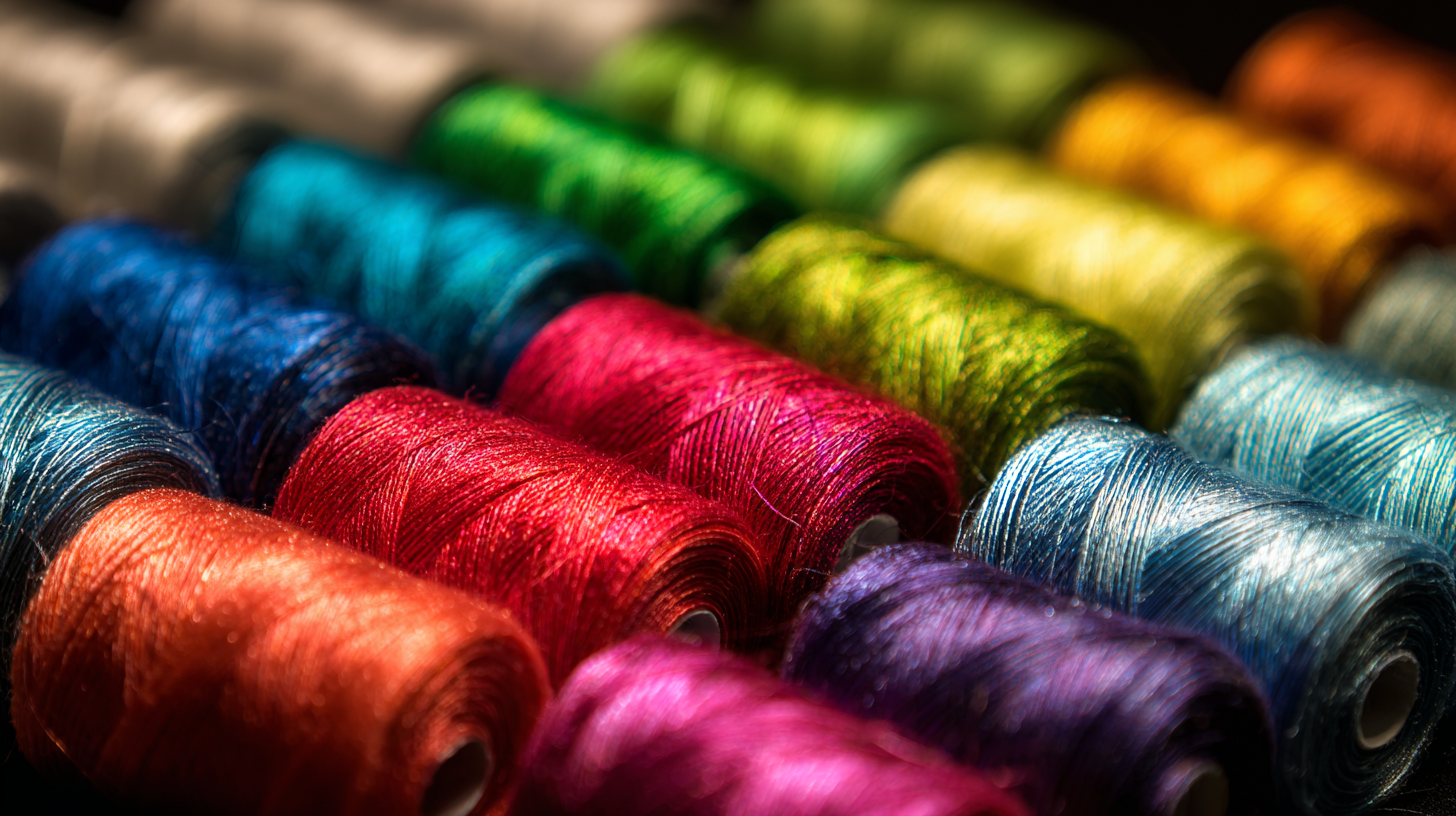
A good starting point is doing your homework on the market—look for suppliers with a solid track record of making high-quality anti-static fibers. When chatting with potential partners, don’t just take things at face value—ask about their R&D capabilities, what kind of certifications they have, and if they’ve worked on projects similar to yours. Plus, it’s smart to go with suppliers who are always pushing innovation—they tend to stay ahead of industry standards and offer better solutions. Building a good relationship with manufacturers can really pay off, too—thinking of it as a partnership, where they can create tailored solutions just for you, making sure everything performs well and stays compliant with regulations.
Adapting to Market Trends and Innovations in Anti-Static Fiber Technologies
The textile industry is going through some pretty exciting changes lately, especially with new tech like anti-static fibers. You know, people are really craving more comfort at home, which has led to a big boom in the home tech textiles market. It’s expected to keep growing a lot in the next few years. As this market shifts, using more advanced materials—like those anti-static fibers—becomes super important for meeting what consumers want and making textiles more functional.
Plus, innovations like nanotechnology are opening up new possibilities, making anti-static solutions even better. Recent reports suggest that the global market for smart textiles—those with features like anti-static properties—is going to hit some pretty impressive numbers, especially as things like healthcare and fitness applications become more popular. The cool part? Manufacturers can tweak fiber properties on a molecular level, so they can create clothes that aren’t just stylish but also practical—like reducing static electricity—so they tick both boxes: looks and usability.
With fashion tech still on the rise, producing textiles that are flexible and responsive really can’t be overstated. Brands that jump on these anti-static innovations are putting themselves in a good spot to attract the growing crowd that cares about cutting-edge, sustainable textile options. It’s all about staying ahead in a pretty fast-moving game.
FAQS
: Anti-static fibers minimize static electricity buildup, which can lead to safety hazards and operational inefficiencies in various industries, making them crucial for applications in cleanrooms, electronics manufacturing, and medical environments.
Conductive fibers use materials like carbon or metal to dissipate static charges effectively and are used in high-risk environments, while dissipative fibers reduce static without conducting electricity, making them suitable for general textiles and automotive interiors.
The performance of mixed anti-static fiber solutions is influenced by factors such as material composition, environmental conditions (humidity and temperature), and processing methods, which can impact their longevity and effectiveness against static buildup.
According to a report, the global market for anti-static textiles is projected to reach $3.8 billion by 2025, indicating a growing demand for effective solutions across various sectors.
Lower humidity levels can increase static electricity accumulation, potentially compromising the effectiveness of anti-static properties in textiles.
Nanotechnology enables manufacturers to modify fiber properties at the molecular level, leading to the creation of textiles that effectively mitigate static electricity while also being stylish and functional.
Rising consumer demand for home comfort and the growing hometech textiles market are driving innovations in anti-static fiber technologies to enhance functionality and meet consumer preferences.
Companies that embrace advancements in anti-static fiber technologies position themselves to capture a growing consumer base that values innovation and sustainability in their textile choices.
The choice between conductive and dissipative fibers should be based on specific application requirements, making it essential for buyers to assess their needs thoroughly.
Buyers should consider material composition, environmental factors, and processing methods, as these variables influence the performance and effectiveness of the anti-static properties of the fibers.
Conclusion
So, I recently came across a blog titled "Understanding the Challenges with Mixed Anti-Static Fiber Solutions for Global Buyers," and honestly, it dives into some pretty interesting stuff about what folks face when trying to source these mixed anti-static fibers across different markets. It explains the variety of anti-static fibers out there and what they’re typically used for, which is really helpful. The article stresses how crucial it is to understand what factors can affect how these solutions perform. Plus, it talks about how important quality standards are in this industry—something every buyer should really pay attention to if they want to meet global expectations.
It also shares some solid tips on how to pick reliable suppliers and stay on top of fast-changing trends and new innovations in anti-static fiber tech. At SHIJIAZHUANG 3L TECHNOLOGY CO., LTD., we’ve been leading the way in developing advanced technical textiles since 2009. We’re all about creating innovative solutions for different industries. Knowing the challenges that come with mixed anti-static fiber products helps us serve our clients better by providing high-performance materials that really boost their efficiency and overall performance.