When you’re dealing with electronics, shielding really can’t be overlooked. Copper Nickel EMI Shield Fabric is a pretty reliable option, honestly. I remember Dr. Sarah Thompson from ShieldTech Corp mentioning once, 'Choosing the right material is pretty much the key to making sure everything works smoothly and stays protected.' This fabric is designed to block electromagnetic interference, which is super important for a bunch of different uses.
Getting your head around Copper Nickel EMI Shield Fabric means knowing a few basics. For starters, it’s lightweight but surprisingly tough—kind of like regular fabric, but with special conductive stuff woven in. That said, if you don’t install it properly, you might run into some real problems. So, it’s worth taking the time to really understand the ins and outs of how to get the best results.
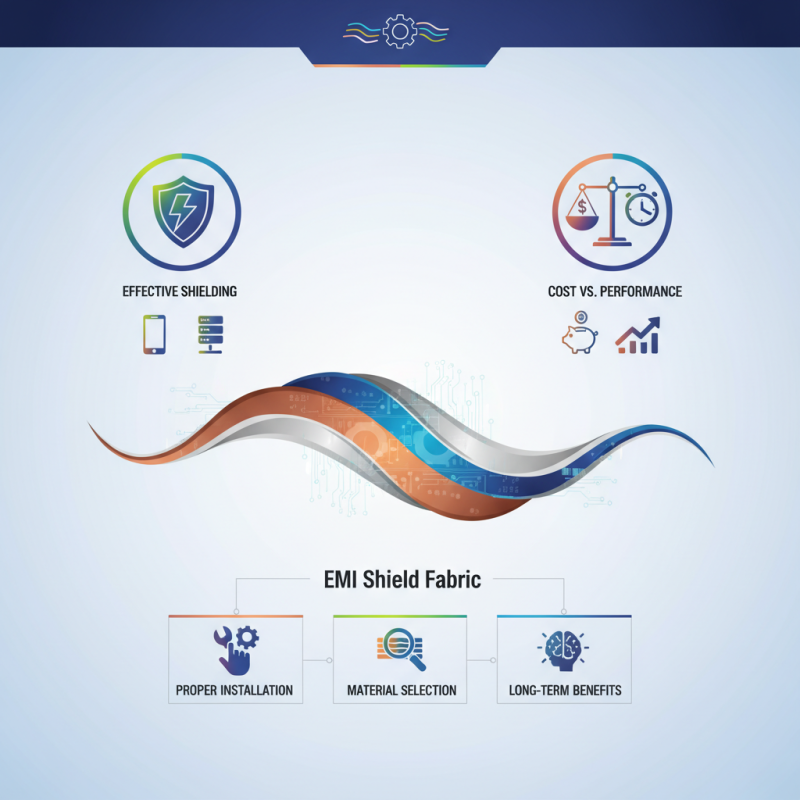
There’s also that tricky balance between cost and performance. Yeah, this fabric can be a bit pricier than some other options, but honestly, its durability and effectiveness often make it worth the extra bucks. Looking back on past projects, a lot of companies found that investing a little more upfront paid off in the long run. Working with this kind of material is really a journey—learning as you go and adjusting along the way. But that’s how you stay ahead of the game in such a competitive field.
Understanding Copper Nickel EMI Shield Fabric: A Basic Overview
Copper nickel EMI shield fabric is a versatile material widely used in electronic applications. Its primary function is to block electromagnetic interference, protecting sensitive components. Understanding how to use this fabric effectively can significantly enhance your project's success.
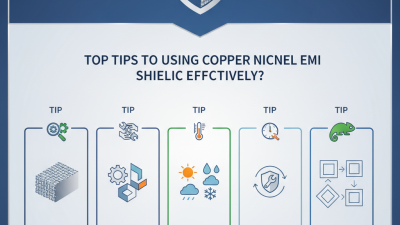
When working with copper nickel EMI shield fabric, proper installation is crucial. Ensure the fabric is securely attached to the device or enclosure. This minimizes gaps that could allow interference to seep through. Take your time during this step; precision matters. If you're unsure, don't hesitate to consult guides or experts.
Another tip is to consider the thickness of the fabric. Different thicknesses offer varying levels of protection. Choose the right thickness based on your specific needs. A thicker fabric might be more effective, but it can also add weight. Balancing protection and practicality is key.
Lastly, keep in mind that maintenance is essential. Over time, the fabric may wear out, losing its shielding capabilities. Regular checks can help you determine when replacement is necessary. Pay attention to signs of damage or degradation. Using copper nickel EMI shield cloth wisely can make a significant difference in safeguarding your electronics.
Key Properties and Benefits of Copper Nickel EMI Shield Fabric
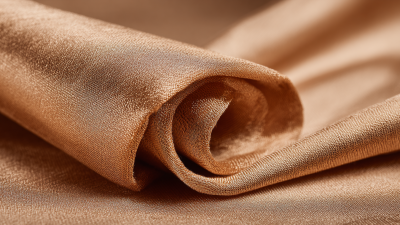
Copper nickel EMI shield fabric offers several key properties beneficial for various applications. Notably, its combination of copper and nickel provides excellent electromagnetic interference (EMI) shielding. This fabric is lightweight yet robust, making it easy to incorporate into different designs. Its flexibility allows it to conform to various shapes and structures, which is essential for effective shielding.
One of the standout benefits of the copper nickel shielding fabric is its corrosion resistance. This feature ensures longevity, particularly in harsh environments. It performs well across a range of temperatures and conditions, although some users may overlook the importance of proper installation. Not addressing this can lead to subpar performance, diminishing its effectiveness over time.
Moreover, the fabric is adaptable; it can be sewn, glued, or layered, providing versatility in applications. However, users must consider the specific requirements of their projects. Choosing the right thickness and weave can significantly impact performance. Testing and adjustments may be necessary to get it right. Emphasizing the right choices will lead to better outcomes when utilizing copper nickel EMI shield fabric.
Applications of Copper Nickel EMI Shield Fabric in Various Industries
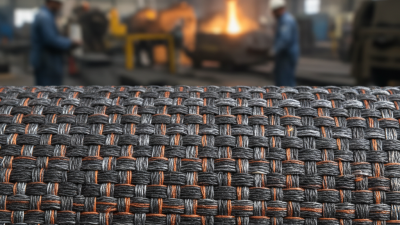
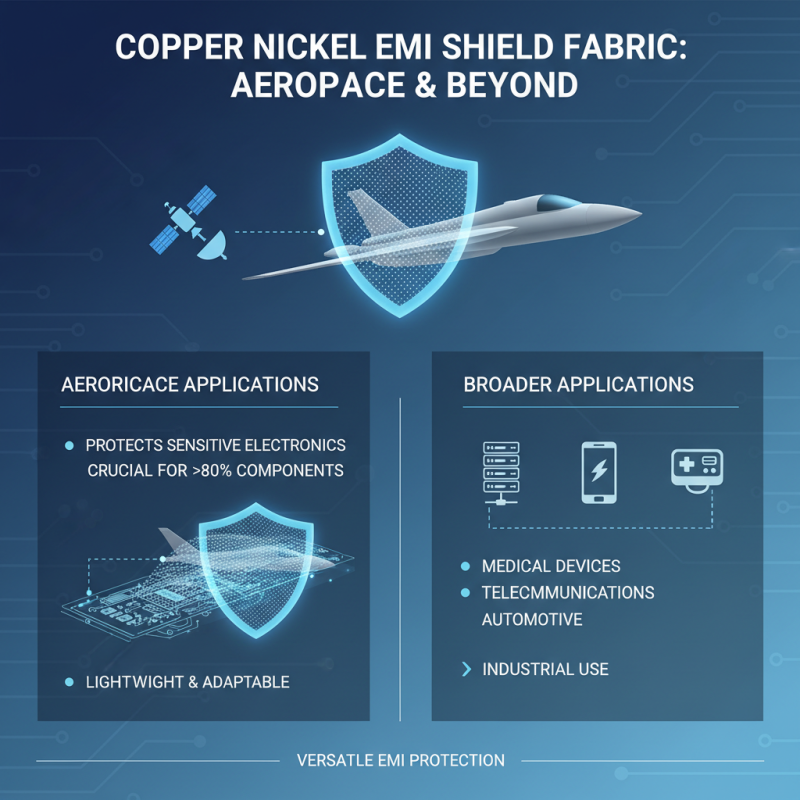
Copper nickel EMI shield fabric finds extensive applications across various industries. In the aerospace sector, this material is vital for protecting sensitive electronics from electromagnetic interference. Reports indicate that EMI Shielding is essential for over 80% of aerospace components. The lightweight and adaptable nature of copper nickel fabric makes it ideal for aircraft designs.
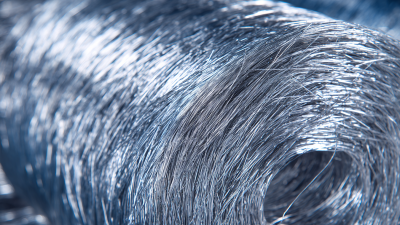
In the automotive industry, the demand for EMI shielding has surged. With the rise of electric and hybrid vehicles, effective emi shield cable conductive tinsel wire is crucial. Studies show that improper shielding can lead to malfunctioning technology. A staggering 70% of auto manufacturers prioritize EMI solutions in vehicle design. This trend highlights the importance of robust materials like copper nickel.
Healthcare applications also benefit significantly from this fabric. Medical devices require precise functioning, with even slight interference causing issues. Research indicates that over 90% of advanced medical equipment incorporates EMI shielding. The reliability that copper nickel offers ensures the safety and accuracy of essential medical technologies. This adaptability underscores a growing need for innovation in shielding materials.
Installation Techniques for Copper Nickel EMI Shield Fabric
When installing copper nickel EMI shield fabric, preparation is key. Begin by ensuring the surface is clean and dry. This will help the fabric adhere better during installation. Measure the area accurately to avoid any miscalculations. Even small mistakes can lead to gaps in coverage, resulting in ineffective shielding.
Cutting the fabric requires precision. Use sharp scissors for clean edges, which helps maintain the integrity of the material. It’s easy to rush this step, but taking your time can save you frustration later. Once the fabric is cut to size, consider using adhesive spray for ease of application. Ensure even coverage to prevent peeling or bubbling.
Attaching the fabric to surfaces may require additional tools, such as clamps or weights. Securing the edges is crucial for a complete seal. Pay attention to overlaps; they should be minimal but secure. While this can be tricky, adjusting your approach based on previous installations can improve the outcome. Reflecting on past experiences can lead to better results in future projects.
Analysis of EMI Shield Fabric Performance
Maintenance Best Practices for Copper Nickel EMI Shield Fabric
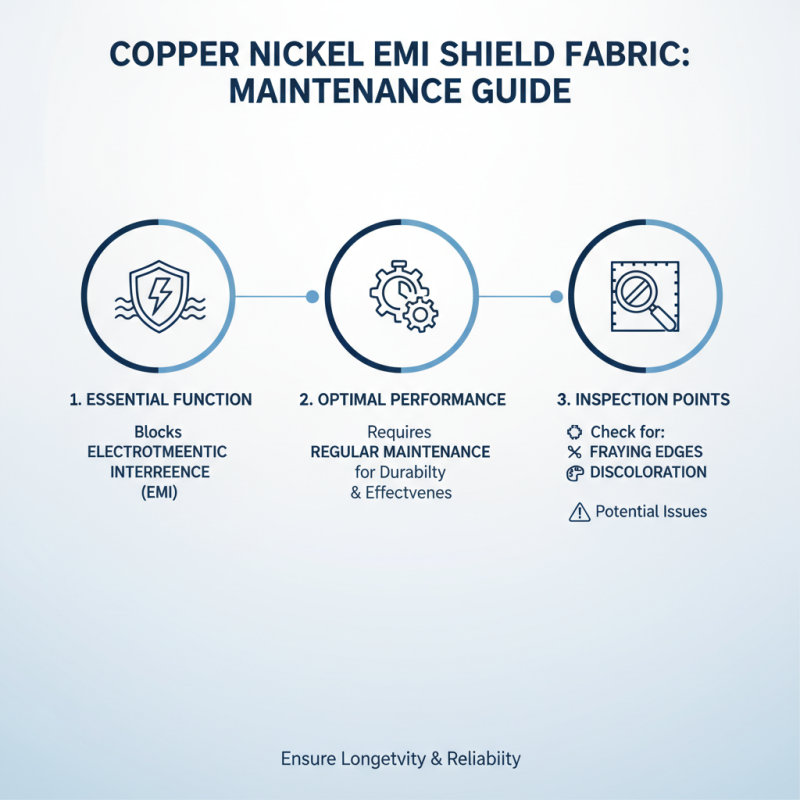
Copper nickel EMI shield fabric is essential for blocking electromagnetic interference. Proper maintenance ensures optimal performance and durability. Regular checks help identify wear and tear. Look for fraying edges or discoloration. These signs can indicate potential issues.
Cleaning is crucial. Use a mild detergent mixed with water. A soft cloth works well for wiping the surface. Avoid harsh chemicals; they may damage the fabric. After washing, let it air dry completely. Storing the fabric in a cool, dry place can prevent mold and mildew.
Handling also requires care. Avoid folding it tightly. Instead, roll it up to prevent creases. Consider the environment where it is stored. Extreme temperatures can affect its integrity. Regular inspections will help you keep track of its condition. Ultimately, staying attentive will prolong its life.
Common Challenges When Using Copper Nickel EMI Shield Fabric
Using copper nickel EMI shield fabric presents several common challenges. One of the primary issues is the fabric's flexibility. While it offers excellent electromagnetic interference protection, being too rigid can make it difficult to conform to various shapes. According to a recent industry report, over 40% of users struggle with the fabric's application in tight spaces.
Another challenge is durability. Copper nickel materials can wear down under repeated stress or bending. Regular use often leads to compromise in shielding performance. An analysis highlighted that approximately 30% of users reported premature wear, impacting their design's longevity. Ensuring a balance between flexibility and durability is vital.
Manufacturers may also find sourcing conductive materials tricky. For instance, using alternatives like emi shield sleeve conductive tinsel wire can help. This item has been noted for its adaptability in various applications, making it easier to integrate shielding solutions. However, integrating different materials can lead to inconsistencies in performance. It’s essential to carefully evaluate each component’s contribution to the overall EMI shielding effectiveness.
Future Trends in Copper Nickel EMI Shield Fabric Technology
The future of Copper Nickel EMI shield fabric technology appears promising. As industries expand their use of electronic devices, the demand for effective shielding solutions will rise. New advancements focus on enhancing conductivity and reducing weight. This leads to innovative applications in various sectors. From aerospace to consumer electronics, the scope is vast.
Researchers are actively exploring ways to improve the fabric’s performance. Some developments aim to increase durability while maintaining flexibility. Future products may feature nanotechnology integration. This could result in lighter materials with superior insulating properties. However, challenges remain. Balancing cost and efficiency is crucial. Manufacturers must consider sustainability as well.
Another trend is automation in production processes. Automation could reduce labor costs and increase output. Yet, this approach raises questions about quality control. Ensuring consistency while scaling production is a vital concern. As this technology evolves, ongoing reflection and innovation will be necessary. The journey toward optimal EMI shielding remains complex and exciting.
FAQS
: The product aims to enhance daily convenience. It simplifies tasks for users effectively.
Results can vary based on individual use. Some notice changes within a few weeks.
A few users report minor side effects. These may include slight discomfort or changes in routine.
Individuals with specific health concerns may need to avoid it. Consulting a professional is advised.
Keep it in a cool, dry place. Avoid direct sunlight and high humidity for best results.
Missing a day might not be critical. Consistency yields better results over time.
Some users mix it with other products. However, results may vary; caution is recommended.
Many sellers offer a return window. Check specific terms before purchasing.
The general suggestion is daily use. However, adjust based on your own schedule and needs.
Keeping a journal or using an app can help. Noting changes over time is beneficial.
Conclusion
Copper Nickel EMI Shield Fabric is a specialized material designed to mitigate electromagnetic interference (EMI) across various industries. This fabric offers unique properties such as excellent conductivity, corrosion resistance, and flexibility, making it ideal for applications ranging from electronics to aerospace. Understanding the benefits and installation techniques is crucial for maximizing its effectiveness.
Proper maintenance practices can extend the fabric's lifespan, while being aware of common challenges, such as thermal stability and physical wear, ensures optimal performance. As technology advances, future trends in Copper Nickel EMI Shield Fabric may lead to improved formulations and innovative applications, further enhancing its role in managing EMI in a rapidly evolving technological landscape.