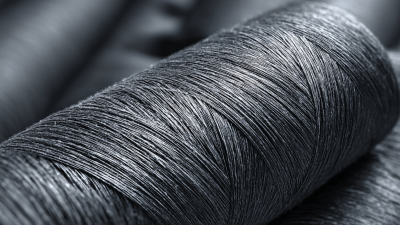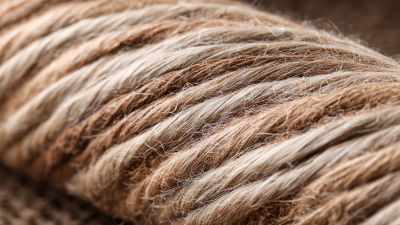
In the ever-changing world of Textiles, 'Metal Fiber Cotton Mixed Yarn' is really making waves. I mean, Dr. Emily Johnson from Fiber Innovations Inc. once said, 'Adding metal fibers into cotton yarns totally changes how they perform.' Basically, this innovative yarn mixes good old cotton with special metal fibers to boost toughness and functionality. Cool, right?
But here’s the thing—businesses should really explore the ways this mixed yarn can be used effectively. Sure, it’s got perks like being stronger, but it also needs some careful handling. Some manufacturers find it tricky to get the spinning process just right, and that can cause inconsistencies in the final product—something nobody wants.
Getting to know what this yarn can really do is super important. Combining stainless steel sliver with cotton creates some pretty unique features, but to make the most of it, you’ve got to deal with practical challenges like fiber compatibility and processing methods. The road to making something new with this stuff isn’t all smooth sailing—there’s lots of potential, but also a fair share of pitfalls. So, a practical, go-with-the-flow approach is pretty much the way to go here.
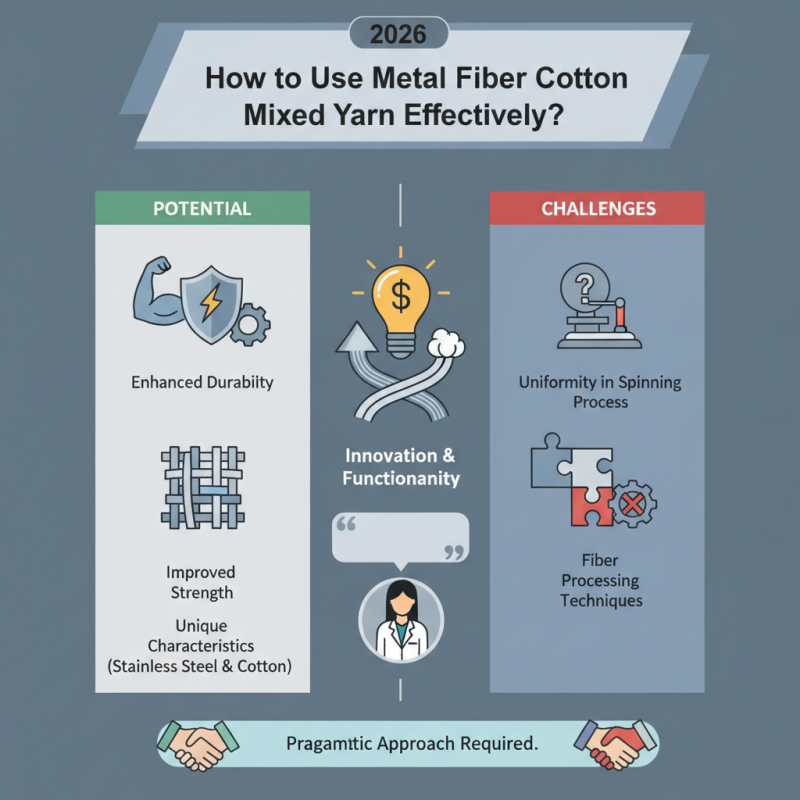
Metal fiber cotton mixed yarn combines the durability of metal fibers with the softness of cotton. This innovative material caters to various industries, particularly in textiles. A study by the Textile Research Institutefound that Blended Yarns can enhance strength by up to40% compared to conventional cotton yarns. This makes it ideal for garments that require both comfort and resilience.
The properties of metal fiber cotton mixed yarn include thermal conductivity and electromagnetic shielding. These features are increasingly sought after in smart textiles. However, the manufacturing process can pose challenges. The yarn's unique structure may require specialized equipment. Not all manufacturers are equipped to handle this. Quality control is crucial. Variations in metal content can impact performance significantly.
Another fascinating aspect is the yarn’s ability to wick moisture. This can add benefits, but not all blends perform equally well. Research indicates that some compositions retain water more than others. The right balance is essential for achieving desired functionalities. Testing is vital for applications in sportswear and workwear. Thus, while the potential is vast, careful consideration and experimentation are necessary to fully leverage these materials.
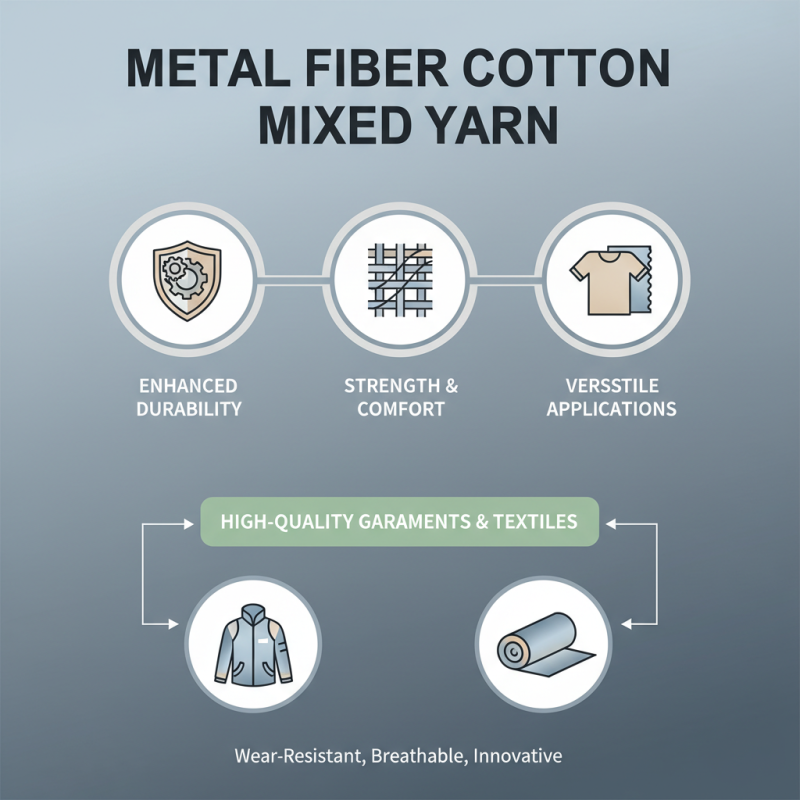
Metal fiber cotton mixed yarn offers many advantages in various applications. This unique blend has enhanced durability. The metal fibers add strength against wear and tear. Cotton maintains breathability, creating a comfortable material. These characteristics make it ideal for producing high-quality garments and textiles.
Another key benefit is its electrical conductivity. This is crucial for applications in smart textiles. Such fabrics can interact with electronic devices and sensors. Additionally, metal fiber cotton mixed yarn provides excellent thermal insulation. It keeps warmth in cold climates while allowing airflow. However, the process of blending these materials requires careful attention.
Despite these advantages, challenges exist. The production process can be complicated. Achieving the right proportion of fibers is essential. Too much metal can make the fabric stiff. Finding the balance requires experimentation and reflection. It's an evolving area that shows promise for innovative textile solutions.
Metal fiber cotton mixed yarn is transforming textile manufacturing. Its unique properties make it suitable for various applications. In apparel production, it is used for fashion items and workwear. The blend enhances durability while maintaining comfort. Reports show that garments made from this yarn have a longer lifespan than traditional materials. An impressive 30% increase in wear resistance has been noted.
In industrial applications, metal mixed staple fiber finds its use in protective clothing. These garments provide resistance to heat and mechanical damage. In a recent study, over 50% of manufacturers reported improved safety ratings for their products. This increase can be attributed to the effectiveness of metal cutting staple fibers in creating resilient fabrics. Industries are continuously exploring its capabilities.
However, challenges remain. The production process requires careful handling of the fibers. Improper techniques can lead to a reduction in quality. Additionally, not all applications benefit equally from this blend. Some textiles may not perform as expected, showing a need for more research. Understanding these aspects is crucial for manufacturers aiming to innovate effectively.
Blending metal fiber with cotton creates unique textiles. This process enhances durability and conductivity. However, achieving the right balance is tricky. Too much metal fiber can make fabric stiff. The right proportions are key for flexibility.
When mixing, consider the texture. A smooth blend ensures comfort. Techniques like carding or spinning can help. You might experiment with different ratios. Start with 70% cotton and 30% metal fiber. Adjust based on the desired feel. Some blends may require a bit of tweaking to get right.
Using Bulletproof 1000d Aramid Yarn can improve strength. This combination offers heat insulation and ballistic properties. Remember, trial and error is part of the process. The fabric may not always turn out as expected. Each blend reveals new possibilities.
When working with metal fiber cotton mixed yarn, proper techniques can elevate your projects. This unique yarn combines softness with metallic sheen. It can add a modern touch to traditional patterns. Start with a simple knitting project, such as a scarf or beanie. These are great ways to understand the yarn's behavior. The blend of metal fiber with polyester mixed fiber creates a sturdy fabric.
Weaving with this yarn can be a challenge. Some find that it requires a firmer tension. Experiment with different looms to see which suits your style. Keep your warp and weft consistent for uniform results. Pay attention to the temperature while washing finished pieces. Sometimes, the metallic properties can change under heat.
Mistakes may happen, and that’s okay. A dropped stitch can lead to unexpected textures. Explore these imperfections; they may enhance your textile's character. Each project teaches valuable lessons. Embrace the unique qualities of metal fiber cotton mixed yarn. With patience and practice, your skills will grow over time.
| Practice | Description | Recommended Tools | Benefits |
|---|---|---|---|
| Select Right Gauge | Choose the appropriate needle gauge to ensure smooth knitting. | Knitting needles with varied sizes. | Prevents yarn damage; improves texture. |
| Proper Tension | Maintain consistent tension for even fabric. | Tension gauges, knitting clips. | Creates a uniform appearance in the final product. |
| Blend Techniques | Experiment with different blending techniques for unique textures. | Yarn mixer, hand blending. | Enhanced flexibility; creative possibilities. |
| Layering | Combine layers of yarn for added strength and insulation. | Multiple spools of yarn. | Increased warmth and durability. |
| Finishing Techniques | Use washing and blocking methods to set the final shape. | Blocking mats, spray bottles. | Enhances the appearance; stabilizes the dimensions. |
Caring for metal fiber cotton products requires attention. These fabrics blend metal fiber with polyester mixed fiber, creating unique qualities. They can be sensitive to heat and moisture. Washing in cold water is ideal. Avoid bleach and harsh detergents. They can damage the metallic components.
Drying is another crucial step. Air drying is preferable. High heat can alter the texture and properties of the yarn. It may cause shrinkage or changes in appearance. Ironing can be tricky too. Always use low settings if necessary. It's important to keep distance from the fabric.
Repairs can be complex. Small tears or issues might not be easily fixed. Stitching may not blend well with the fiber. Consider asking for help if unsure. Regular checks for wear and tear help maintain the quality. Not every piece will last the same way. Listening to the fabric and adapting care can ensure longevity.
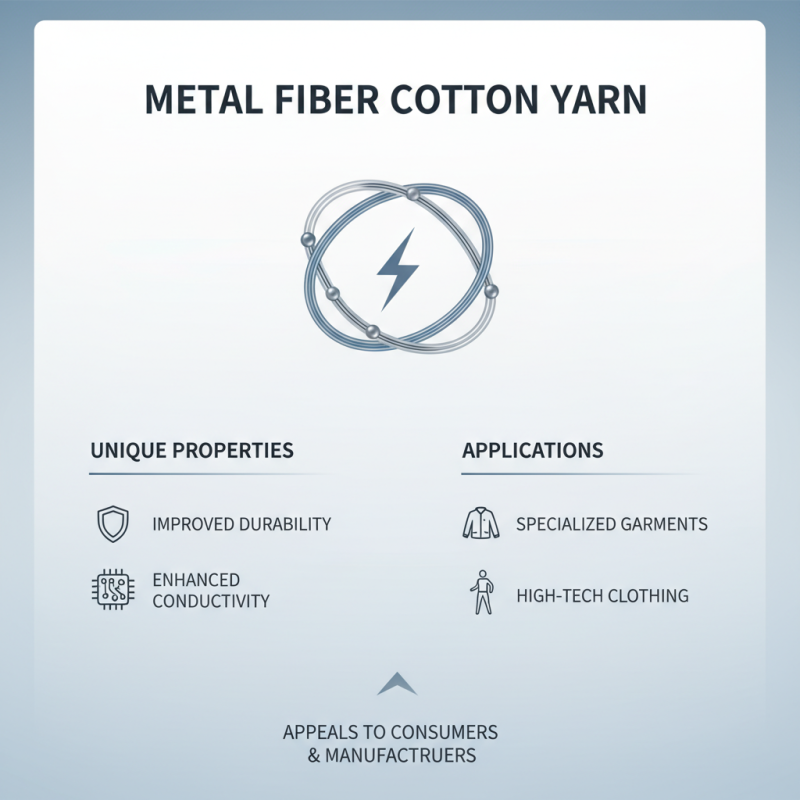
In recent years, metal fiber cotton yarn has gained traction in the textile industry. This mixture offers unique properties such as improved durability and conductivity. The blend is often used in specialized garments. Clothing with enhanced features appeals to both consumers and manufacturers.
Future trends suggest growing versatility in applications. For instance, smart textiles are on the rise. Fabrics could potentially monitor health or environmental conditions. This is fascinating, but technical challenges remain. Achieving the right balance between comfort and performance is crucial.
Sustainability is another key consideration. While metal fiber cotton yarn is innovative, its production may raise environmental questions. Recycling needs more attention. Without proper methods in place, these materials might add to waste. Hence, the industry must reflect on its practices. Balancing innovation with responsible sourcing is essential for future growth.
Meta-aramid fibers have gained recognition in various industries due to their exceptional properties, which include high strength, thermal stability, and chemical resistance. These fibers, particularly in the 51mm variant, have become essential in applications that require reliable performance in extreme conditions. The industry data reports examining the 1.5D, 2D, and 5D versions illustrate the versatility of meta-aramid fibers across different manufacturing processes and uses.
The 1.5D variant, noted for its finer diameter, is ideal for applications where lightweight and flexibility are critical, such as in aerospace and protective clothing. On the other hand, the 2D variant offers a balance between weight and robustness, making it suitable for automotive components and personal protective equipment. Meanwhile, the 5D variant provides superior bulk and strength for industrial applications that demand durability and resistance to harsh environments. Each variation of meta-aramid fiber exhibits unique characteristics that cater to the diverse requirements of modern industries, ensuring optimal performance and safety.
In conclusion, the insights from industry data highlight the adaptability and reliability of meta-aramid fibers. With their commendable blend of properties, these materials continue to push the boundaries of performance across various sectors, reinforcing their status as a preferred choice for engineers and manufacturers aiming for excellence in challenging applications.
: The product aims to enhance daily life experiences. Users find it helps with productivity and organization.
It’s suitable for various individuals. Students, professionals, and busy parents might find it particularly helpful.
Yes, it includes helpful tools and user-friendly interfaces. Certain functionalities make it easier to use for everyone.
Simply download the app or visit the website. Follow the setup instructions to begin using it effectively.
Yes, customer support is accessible via email or chat. Response times can vary, but most inquiries are addressed promptly.
Absolutely! Many aspects are adjustable to fit personal preferences. Experiment with settings to find what works best.
Troubleshooting is straightforward. Check the FAQ section or reach out to support for specific concerns.
Some users find it takes time to get used to. Practice and exploration help improve familiarity and confidence.
Users appreciate its usefulness but mention areas needing improvement. Regular updates could enhance functionality and user experience.
Some features may require a subscription. Always review the terms to know what is included at no charge.
Metal Fiber Cotton Mixed Yarn is a versatile textile material that combines the properties of metal fibers and cotton, resulting in a fabric that offers both durability and comfort. Understanding its unique properties, such as enhanced conductivity and improved strength, is essential for effectively utilizing this yarn in various textile manufacturing applications. The advantages of using Metal Fiber Cotton Mixed Yarn include increased fabric longevity and the ability to incorporate innovative design elements, making it ideal for modern fashion and functional textiles.
When blending metal fiber with cotton, it is important to employ specific techniques to achieve optimal results. Best practices for knitting and weaving with this yarn can enhance its performance, ensuring that the final products maintain both aesthetic appeal and functional benefits. Proper care instructions are crucial to preserving the quality of Metal Fiber Cotton products. As the industry evolves, future trends in the usage of this yarn are expected to focus on sustainability and advanced applications, further revolutionizing textile manufacturing processes.